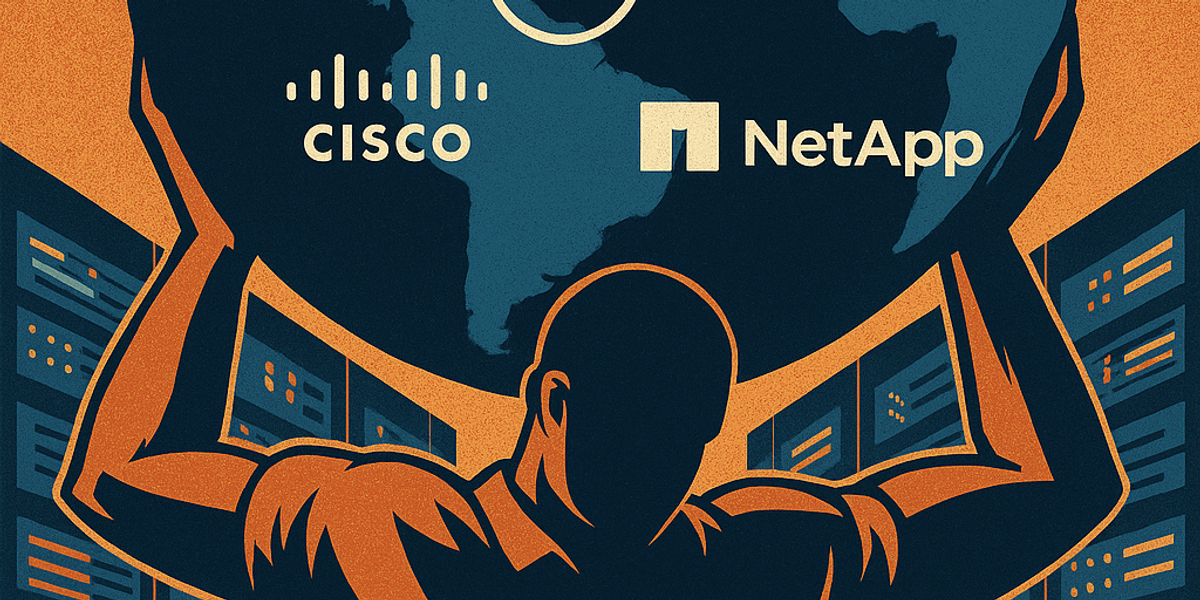
For decades, admins have been the invisible force behind enterprise uptime—facing everything from legacy systems to AI-driven complexity. I started my career 25 years ago, during the early 2000s dot-com bust, as a DBA and sysadmin at Oracle. It was one of the more stable jobs at the time. Back then, I carried a physical pager. When it buzzed—whether at 3 a.m. or mid-dinner—I was up and debugging. I supported hundreds of live databases and applications. We didn’t have slick tools or sleek dashboards, but we had ownership. Admins were the linchpins of reliability.
At the time, IT administrators were some of the most sought-after professionals in tech. Admins specialized across systems, storage, networking, and security. You were known by your ability to tame complex technologies like Cisco switches, Oracle RAC clusters, Dell EMC storage arrays, or SAP landscapes. Certifications were your currency—I still remember earning my Oracle 8i and 9i DBA certs, and how proud I was to get them. They played a key role in shaping my early career.
The Shifting Landscape of Admin Work
Admins have always formed the backbone of enterprise IT. But the nature of their work has evolved dramatically.
The virtualization era changed the scale of what one admin could manage. VMware allowed a single admin to provision, monitor, and maintain hundreds of workloads—redefining efficiency.
Online forums, expert blogs, and communities like Spiceworks fostered collaboration and peer learning. Suddenly, tribal knowledge became shareable. The lone admin in a small company could tap into collective intelligence and become world-class.
Then came public cloud and mobile. Admins had to learn API-driven provisioning, shift from ticketing systems to self-service portals, and start speaking developer. Tools like Terraform, Jenkins, and Kubernetes weren't optional—they became table stakes.
The rise of containers and microservices created an explosion in infrastructure complexity. Admins had to adapt again—balancing ephemeral compute, persistent storage, and distributed observability.
Now, with AI reshaping the compute stack, we're witnessing another major shift. From managing VMs to managing GPU clusters. From deploying apps to orchestrating pipelines. The expectations have changed—but so has the opportunity.
Modern Admin Pain Points
The strength of admin communities reflects how vital this role remains. Today, forums like Spiceworks host over 1.5 million users, the SysAdmin subreddit has more than 900,000 subscribers, VMUG (VMware User Group) counts over 150,000 members globally, and Cisco’s learning network serves hundreds of thousands of certified professionals. These groups are a testament to the admin’s continued relevance—and the complexity they manage every day.
Despite all the innovation, today’s admins face mounting pressure:
- Managing 10+ fragmented tools just to keep the lights on
- Vendor sprawl across compute, storage, and networking
- Data silos and integration overhead
- Growing security and compliance requirements
- Aging, legacy systems layered with cloud-native complexity
- Constant firefighting, with little time for proactive optimization
In 2025, enterprises are projected to spend over $40B annually on manual, repetitive operations that could be automated. Admins are stretched thin. Their expertise is essential—but their tooling hasn’t kept up.
Trusted Experts at the Frontier
As technology has evolved, a vibrant ecosystem of independent admin voices has emerged. Here are just a few of the most respected individual technical blogs admins turn to when corporate documentation falls short:
VMware
- William Lam – WilliamLam.com
Cisco
- Ivan Pepelnjak – IPSpace.net
- A.J. Murray – The Art of Network Engineering
NetApp
- Justin Parisi – Tech Blog
- Scott Lowe – ScottLowe.org
Nutanix
- Julien Dumur – juliendumur.fr
- Chris Skarica – ChrisSkarica.com
Nvidia
- Jay Prakash – jayprakashblog.com
Dell
- Sandy Zeng – VxRailBlog.com
- Chris Wahl – Wahl Network
HPE
- Erik Bussink – erikbussink.com
- Paul Braren – TinkerTry.com
These experts reflect the same traits that define great admins—curiosity, generosity, and relentless commitment to getting it right.
This Is an Inflection Point
Some admins might feel like the world moved on. But the truth is: your experience is more valuable than ever.
Admins have always thrived by adapting—by mastering new tools, diving into new paradigms, and building stability out of chaos. The AI era is no different. In fact, it’s a chance to reclaim leadership in the infrastructure world.
Who better to manage private AI infrastructure than the people who’ve kept enterprises running for decades?
You know what uptime means. You know what compliance means. You understand the difference between "working" and "production-grade."
AI doesn’t replace that—it depends on it.
How OpSky Elevates the Admin
At OpSky, we believe in empowering this next generation of admins. We're building a platform designed for the complexities of modern datacenters—one that lets admins:
- 🔄 Automate workflows across infrastructure vendors
- 💬 Interact using natural language for common tasks
- 🧭 View real-time system state in one dashboard
We call it an Integrated Datacenter Environment (IDE)—not to replace the admin, but to elevate them.
Shape the Future with Us
If you’ve ever carried a pager—or debugged a failing pod at midnight—you’re one of us.
Let’s build the future of infrastructure, together.
👉 Join our Lighthouse Program to shape what comes next
👉 Or sign up for updates at opsky.ai/interest-list
👉 Or follow us on social media: LinkedIn | X